What Is Recovery Dharma?

Recovery Dharma is a peer-led, non-theistic recovery program that uses Buddhist practices and principles to support healing from all forms of addiction, including substances, food, gambling, technology, sex, relationships, spending, and more.

Founded in 2019, it has grown into the largest Buddhist recovery peer-support community in the United States, with thousands of meetings worldwide, both in-person and online.

Unlike programs built around a higher power, Recovery Dharma invites each person to look inward. Through meditation, self-inquiry, and the wisdom of the Four Noble Truths and the Eightfold Path, we learn to understand the roots of our suffering and walk a practical path toward freedom.

There is no single teacher, no guru, no required belief. The dharma (the truth of how things are) belongs to everyone. We simply practice together.

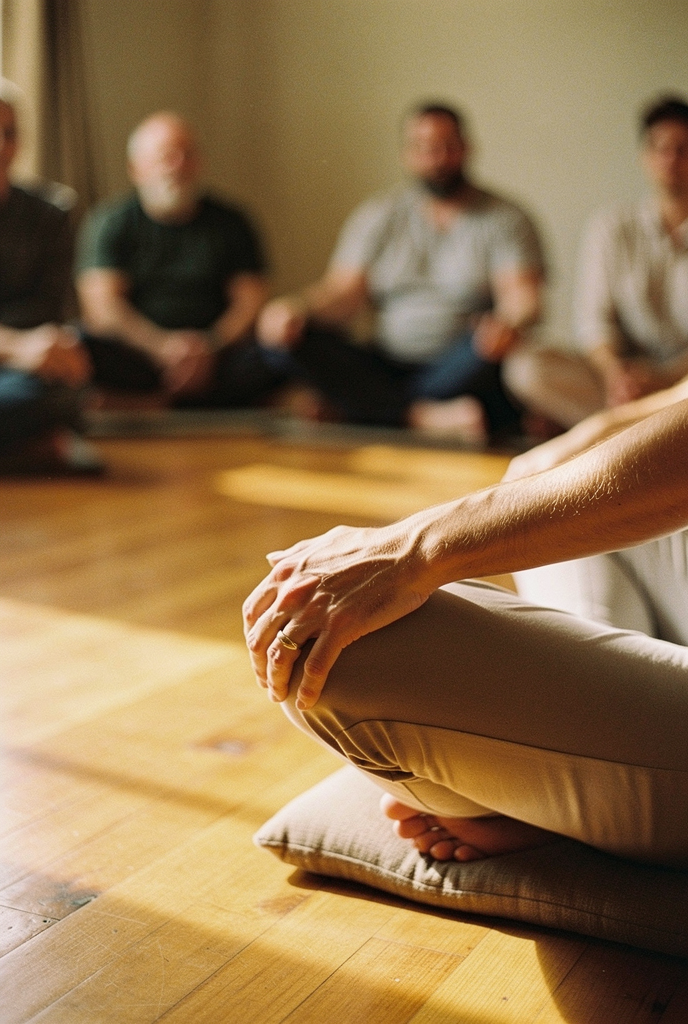
People sitting in meditation during a Recovery Dharma meeting

The Four Noble Truths

The foundation of Buddhist teaching, applied to the experience of addiction and the journey of recovery.

1

Suffering Exists

Dukkha

Addiction causes suffering: to ourselves and to those around us. This is not a judgment. It is an honest acknowledgment that something is not working, that our relationship with substances or behaviors has become a source of pain. The first step is simply seeing this clearly.

2

Suffering Has a Cause

Samudaya

Craving and attachment are at the root of addictive suffering. We reach for substances or behaviors to fill a void, escape discomfort, or chase pleasure, and the cycle deepens. Understanding this isn't about blame; it's about seeing the mechanism clearly so we can begin to address it.

3

Recovery Is Possible

Nirodha

The cessation of suffering is real and achievable. Less craving leads to less suffering. This is the hopeful heart of the practice: the understanding that we are not defined by our addictions and that freedom, while not always easy, is always possible.

4

The Path to Recovery

Magga

The Eightfold Path provides a practical, livable framework for walking out of addiction. It is not a set of commandments but a set of practices: ways of thinking, speaking, acting, and paying attention that gradually transform our relationship with ourselves and the world.

The Eightfold Path

Eight interconnected practices organized into three groups: Wisdom, Ethics, and Mental Discipline. These form a complete approach to recovery and awakening.

Wisdom

Pañña

Wise Understanding
Sammā Diṭṭhi

Seeing reality as it is: understanding the nature of suffering, impermanence, and the causes of our addiction. This isn't intellectual knowledge alone; it's a deep, experiential seeing that comes through practice.

Wise Intention
Sammā Saṅkappa

Committing to recovery with a heart of renunciation, goodwill, and compassion. Setting an intention each day to walk a path that leads away from harm and toward healing.

Ethics

Sīla

Wise Speech
Sammā Vācā

Speaking truthfully, kindly, and at the right time. In recovery, this means being honest about our struggles, avoiding gossip and harsh words, and learning to communicate with care.

Wise Action
Sammā Kammanta

Acting in ways that do not cause harm to ourselves or others. Making ethical choices that support our recovery and the wellbeing of our community.

Wise Livelihood
Sammā Ājīva

Earning a living in a way that aligns with our values. Examining whether our work supports or undermines our recovery and the welfare of others.

Mental Discipline

Samādhi

Wise Effort
Sammā Vāyāma

Cultivating wholesome states of mind and releasing unwholesome ones. This is the energy and persistence to keep showing up for our practice, even when it's difficult.

Wise Mindfulness
Sammā Sati

Paying attention to the present moment with openness and curiosity. Observing our thoughts, feelings, and sensations without judgment. This is the core skill that allows us to respond rather than react.

Wise Concentration
Sammā Samādhi

Developing a focused, steady mind through meditation. With concentration, we gain the clarity and stability to face cravings, difficult emotions, and the challenges of daily life with equanimity.

Where We Come From

The Buddhist recovery movement in the United States traces its modern roots to Noah Levine's book Refuge Recovery, which offered an alternative to twelve-step programs by grounding recovery in the Four Noble Truths and meditation practice.

In 2019, organizational changes led the community to form Recovery Dharma, a fully peer-led, democratically governed nonprofit. There are no gurus, no hierarchies, no single authority. Each sangha (community) is autonomous, guided by the dharma and the shared experience of its members.

Today, Recovery Dharma operates thousands of meetings worldwide and continues to grow as more people discover the power of Buddhist-inspired recovery. Our State Line community is proud to be part of this grassroots movement, offering a welcoming space on the Wisconsin-Illinois border for anyone seeking a different approach to healing.

Whether you come from a twelve-step background, another recovery tradition, or no tradition at all, you are welcome here.

Common Questions

New to Recovery Dharma? Here are answers to the questions we hear most often.

Not at all. Recovery Dharma is open to people of all faiths, beliefs, and backgrounds. You don't need to identify as Buddhist or have any prior experience with meditation or Buddhist teachings.

Recovery Dharma is non-theistic and does not rely on a higher power. Instead, it draws on Buddhist principles like the Four Noble Truths and the Eightfold Path. Meditation is central to every meeting.

Meetings typically run 60 to 90 minutes: opening readings, a guided meditation, a reading and group discussion, open sharing, and fellowship time afterward.

No. Recovery Dharma supports recovery from all forms of addictive behavior, including alcohol, drugs, food, gambling, technology, sex, relationships, spending, and any other pattern that causes suffering.

No experience is needed. Every meeting includes a guided meditation, so you'll be walked through it step by step.

Yes. What is shared in a Recovery Dharma meeting stays in the meeting. Confidentiality is one of our core agreements.

Just yourself. If you'd like, you can bring a notebook and pen. A water bottle is always a good idea. Everything else is provided.

Meetings are free. Recovery Dharma operates on a dana (generosity) model. Donations are welcome but never required.

Ready to Take the First Step?

You don't need to have it all figured out. You just need to show up. We'll be there with you.

Find a Meeting Near YouContact Us